How-to guides
A curated set of practical guides on Horizon Europe funding and participatory approaches. Some are written by the Participio team, others by experts elsewhere, and those we link to. Pick a step to see only its guides.
No guides for this step yet.
Lithuania in Horizon Europe: five years in numbers
Lithuania holds 798 participations and EUR 235.9 million in Horizon Europe grants, with a 15.09% application success rate. Figures from the Horizon Dashboard, data refreshed 28 August 2026, extracted 8 October 2026, with top beneficiaries and a Baltic comparison.
8 October 2026
Free help for Horizon proposal preparation
National Contact Points, the Enterprise Europe Network, the Funding and Tenders Portal and Commission info days support Horizon Europe applicants, mostly free of charge. What each one offers, including in Lithuania, and what none of them covers.
7 October 2026
Budgeting participation: facilitation, venues, participant compensation
Horizon Europe has no budget line called participation. Facilitation, venues, catering, travel and vouchers are split across personnel, subcontracting and purchase costs, and the Annotated Grant Agreement is silent on cash payments to participants.
5 October 2026
How to read the Horizon Europe work programme
A Horizon Europe topic is one layer of several. This guide explains how a topic text is built, where the destination, the strategic plan and the General Annexes fit, and in which order to read them, using the Work Programme 2026-2027.
4 October 2026
Ethics of participation: consent, payment, vulnerable groups
Any Horizon Europe proposal with human participants triggers the ethics issues table and a self-assessment. This is what the Commission's guidance asks for on consent, vulnerable groups, children, personal data and incentives, and where it stays silent.
3 October 2026
Participation KPIs that are not headcounts
The number of people who attended says how far an activity reached, not whether it was fair or changed anything. Published frameworks offer indicators for process quality, participant experience, influence on decisions and lasting engagement.
2 October 2026
How to become an EC expert evaluator
Registration in the EU expert database is open at any time, but it does not guarantee selection. This post covers registration, selection, fees, time commitment, and the conflict of interest rules, including those for people who also prepare proposals.
1 October 2026
Reading your ESR before resubmitting
The Evaluation Summary Report gives a score and a comment for each award criterion, and lists shortcomings without telling you how to fix them. This post explains its structure, the rules on evaluation review and resubmission, and a way to build a revision list.
26 August 2026
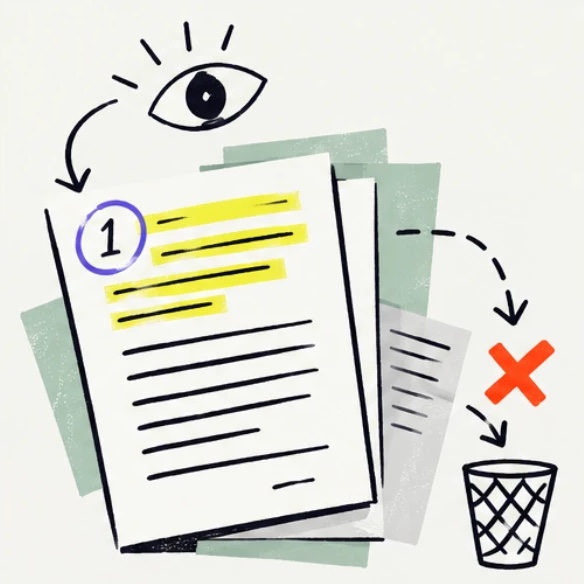
What an evaluator reads first, and what they skip
What is publicly documented about how Horizon Europe proposals are evaluated: criteria, scores and thresholds, the steps from individual evaluation to panel, and what experts are instructed to disregard.
12 August 2026

Citizen science in hard-science calls (plant health, climate, health)
Citizen science appears in Horizon Europe topics on plant pests, soil, climate resilience and environmental health, sometimes as a requirement and sometimes as an option. Read the verb in the topic text to see which.
29 July 2026
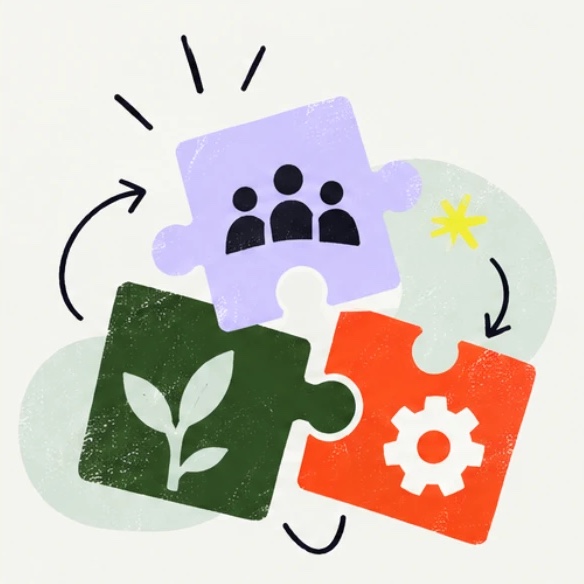
SSH integration that isn't a token work package
The Commission's own monitoring shows that counting SSH partners does not show integration. The Programme Guide asks for SSH woven through the project, and insufficient integration under an SSH-flagged topic lowers the score.
14 July 2026
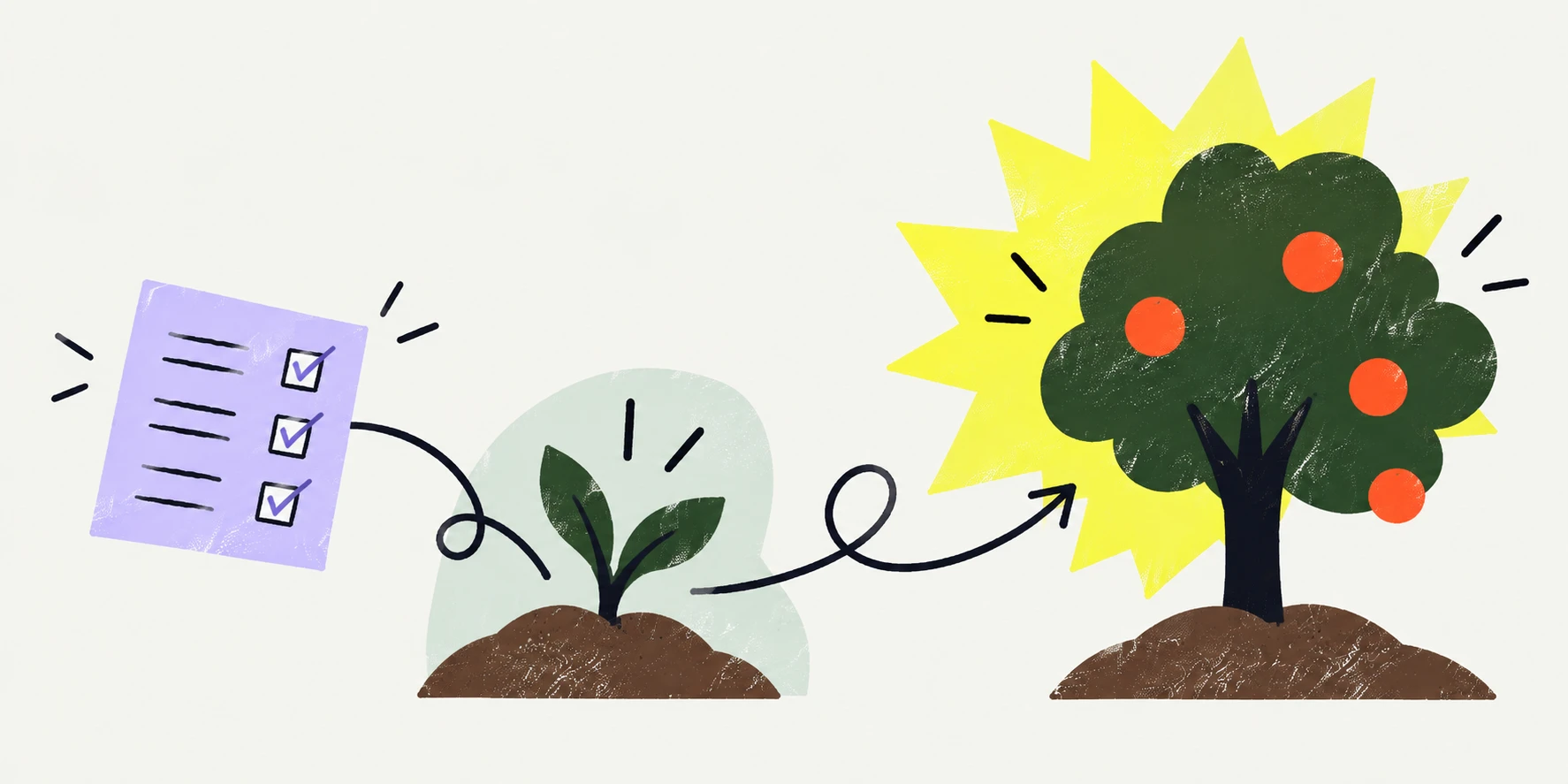
Expected outcomes vs impacts: how to map them
Expected outcomes are set in the topic, expected impacts in the destination. This post explains the difference and how sections 1.1 and 2.1 of the Horizon Europe Part B template ask you to link your results to both.
30 June 2026
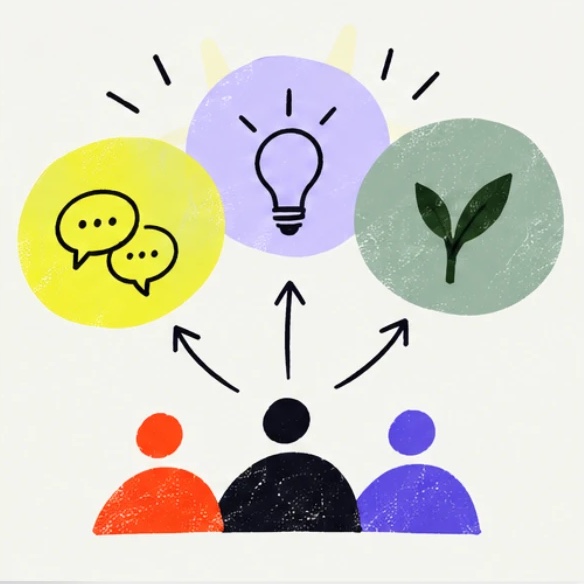
Consultation, co-design or co-creation: choosing the level per work package
A proposal rarely needs one level of participation for the whole project. Name a level for each work package, using an established framework, and state what participants can and cannot change at that level.
18 June 2026

Citizen engagement that evaluators score, and the decorative kind
Horizon Europe scores citizen and end-user engagement as part of the methodology under Excellence. This post shows what the criteria, template and Programme Guide ask for, and how engagement built into tasks and budget differs from a passing mention.
4 June 2026
Ethical Co-Creation Toolkit ↗
Nine worksheets and checklists for community-academic partnerships, from roles, compensation and data ownership to a concept brief and budget. Based on community-based participatory research principles.
2026
Youth Insights Participatory Research Toolkit ↗
For anyone doing research with, rather than about, children and young people. Co-developed with a team of Youth Insight researchers at Queen Mary.
2026 · CC BY 4.0
Feminist Participatory Action Research (FPAR) Toolkit ↗
A handbook for women-led groups, researchers, facilitators and grassroots activists on applying feminist participatory action research in research, community engagement and advocacy.
2025 · CC BY-NC-SA
Co-Creating Our City ↗
A five-module toolkit for cities and community organisations that want young people and local decision-makers to research an issue together and turn it into proposals. Based on pilots in Charlotte and Düsseldorf.
AI Ethics Framework ↗
Principles and practical recommendations for the responsible use of AI and machine learning in citizen science and participatory research, with a focus on transparency, participant choice and shared expectations.
2026
AHEAD learning resources for participatory audience development ↗
Open learning resources for heritage professionals: a capacity building syllabus, seminar materials, lab guidelines for designing participatory activities with communities, and a magazine with cases from Ostia Antica, Altamira and Messara.
2025