Our work
INFODEMIJA: who in Lithuania is open to misinformation, and who is not
INFODEMIJA (Research Council of Lithuania, P-VIS-23-57, 2023 to 2026) surveyed 1,005 Lithuanians and then tested its findings with 56 people in focus groups. The surprise: how engaged someone is with science says little about how open they are to misinformation.
The method. A nationally representative survey (N=1,005, margin ±3.1%) measured trust in science, information habits, attitudes to fake news and personality. Latent profile analysis split the public into a more engaged and a less engaged group. Within these, four profiles emerged.
| Profile | Share |
|---|---|
| Science enthusiasts | 30.2% |
| Moderate supporters | 29.9% |
| Silent trusters | 23.4% |
| Disengaged from science | 16.5% |
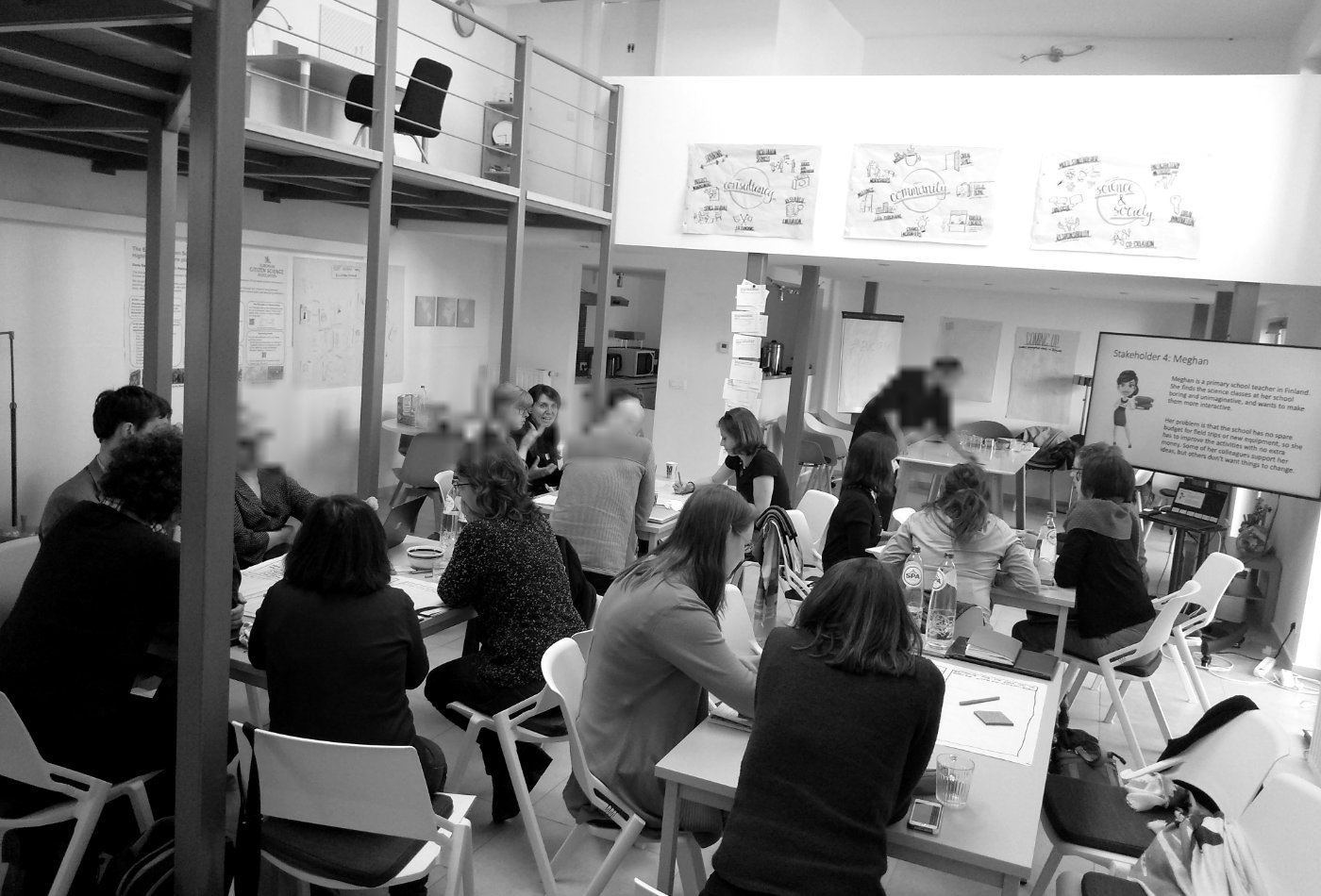
The participatory step. The draft communication strategies were tested in focus groups with 56 participants. Five strategies were validated, among them reaching communities through local intermediaries and helping audiences recognise manipulation.
What it found. Misinformation vulnerability cuts across the engagement groups. A separate analysis found three vulnerability segments (resilient, dual-trust, dismissive) almost unrelated to engagement (Cramér's V = 0.11). The dual-trust group is the paradox. They recognise the threat but also trust alternative channels, and they are more often rural. The silent trusters matter most for climate communication: about 23% of people, with high trust and almost no engagement.
What it produced. The platform infodemija.lt, with a research section and a toolkit for communicators, in Lithuanian and English.
This case draws on work our team members did in their roles at universities and partner organisations. Participio was not a partner in this project.